
 TLDR: I built my portfolio website with WordPress, an Envato theme, and Elementor. I did it while still learning digital marketing, and the whole thing cost me a ₹883 .com domain from BigRock. I built it to get freelance work and leads, and I think every digital marketing student should do the same: build your own site and fill it with content so Google can find you.
Why I Built My Own Website
I’m a digital marketing student, and I haven’t finished my course yet. I didn’t want to wait until I was “ready” to show my work. I wanted freelance work and leads now, so I built a portfolio website where people can see what I do and contact me.
A website is the one place online that you fully own. Social media accounts come and go, but your own domain stays yours.
Why I Chose WordPress
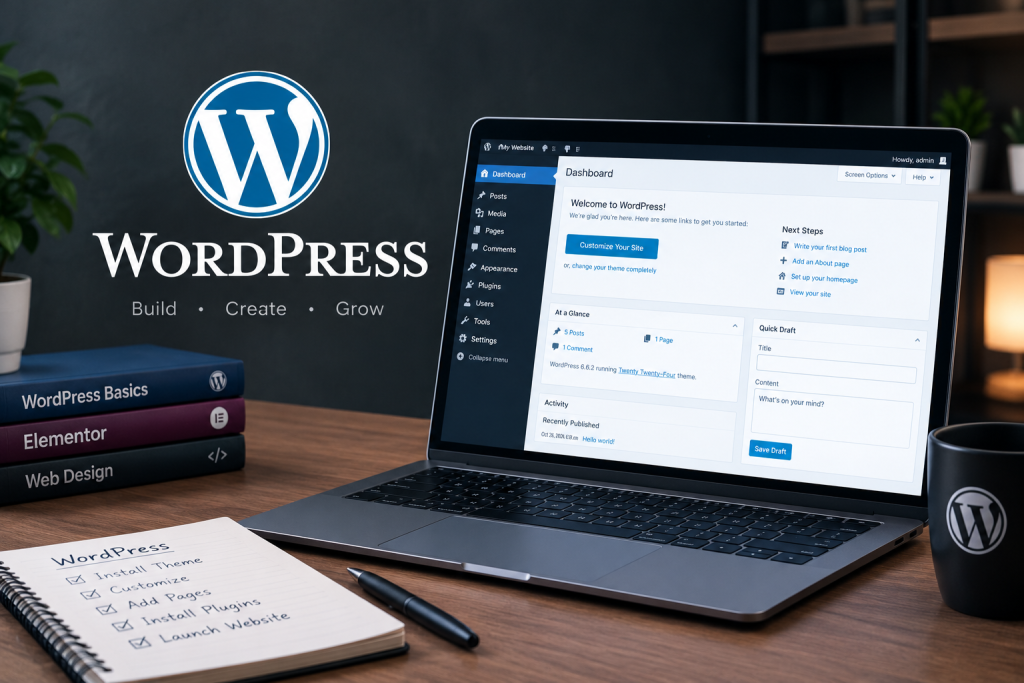
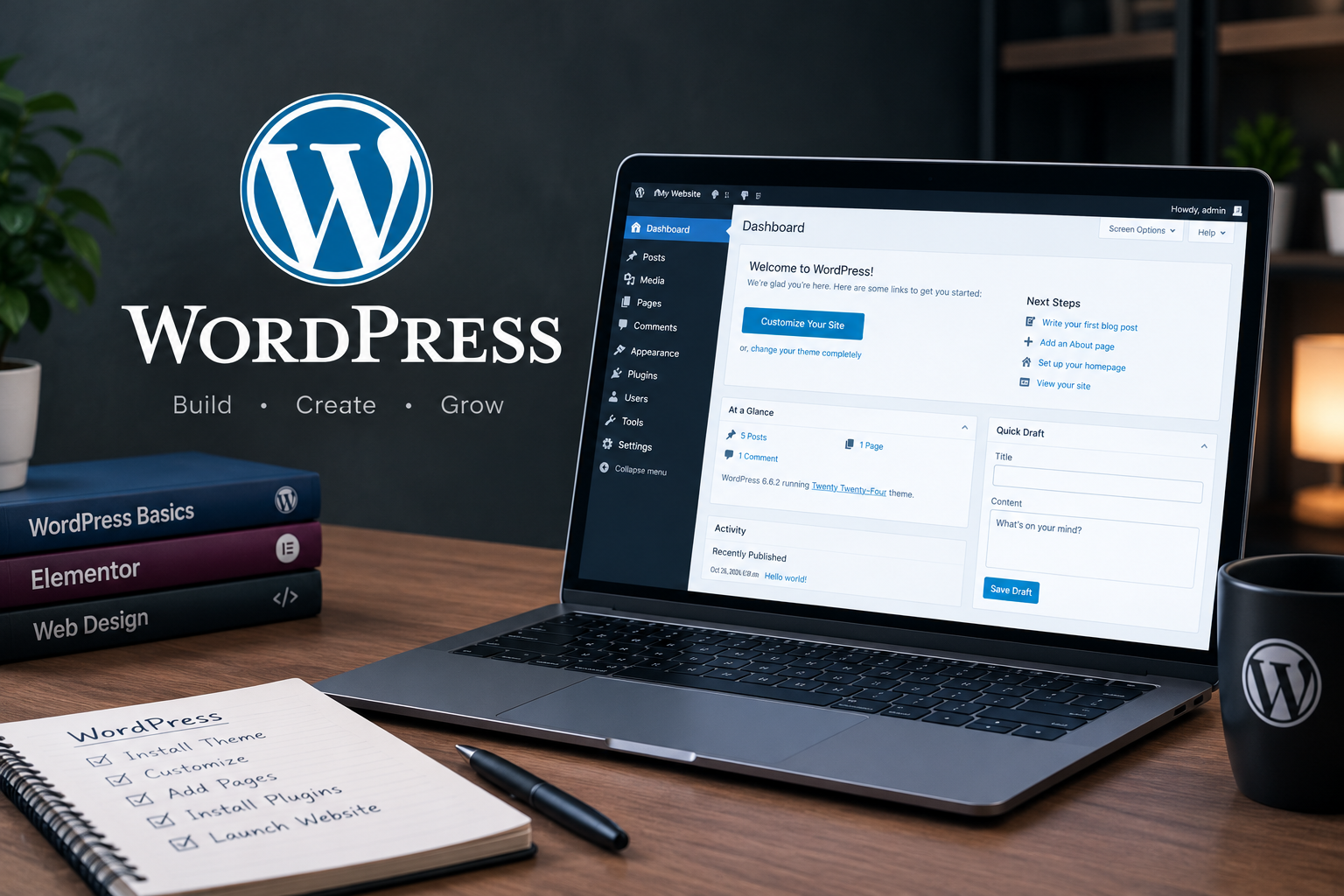 There are many ways to build a website, but I picked WordPress for three reasons:
- It’s easy to work with. You don’t need to be a developer.
- It’s comfortable. Once you learn the dashboard, editing pages and writing posts feels natural.
- It’s timeless. WordPress has been around for years and isn’t going anywhere, so what I learn now will stay useful.
My Setup
- Theme: I bought my theme from Envato.
- Page builder: Elementor, together with Royal Elementor addons.
- Domain: A .com from BigRock for ₹883 for one year. BigRock has some of the cheapest .com prices I found, which matters when you’re a student.
How I Designed It
I didn’t guess at the design. I researched it first using AI tools, Google, and social media platforms. I looked at what other marketers and agencies were doing, collected ideas, and then finalized my own design. That research made the build much smoother, and honestly I didn’t hit any single big roadblock along the way.
What’s on My Website
My site lists the services I offer:
- Web design
- SEO
- Paid ads
- Social media marketing
- Email marketing
- Graphic Design
I also added a blog, which is the page you’re reading this on. Every post needs a unique title, because unique content is what helps a site stand out on Google.
Learning SEO on My Own Website
I’m learning SEO at SHDA, and my own website is my practice ground. Instead of only reading theory, I apply it directly: I focus on local SEO and try to rank for searches in my area. I’m still a student and haven’t completed SEO yet, so I’m learning as I go. That’s the point: I’d rather practice on a real site than wait until I know everything.
My Advice to Other Students
- Build your own website. Don’t wait to finish your course. A site gets you noticed for work.
- Create lots of content. Blog posts, service pages, and case studies all give Google more reasons to rank you.
- Research before you design. Look at AI tools, Google, and social media for ideas before you build.
- Keep costs low. A cheap domain and a simple WordPress setup are enough to start.
Final Thoughts
You don’t need to be an expert to start. I’m still learning, and my website is already working for me as a portfolio, a practice ground, and a way to attract freelance leads. If you’re a digital marketing student, build your site, publish content regularly, and keep improving it.